Concept design — not a real business
Bloom and Burrow
Margaret River, WA · E-commerce · Scale plan

The brief
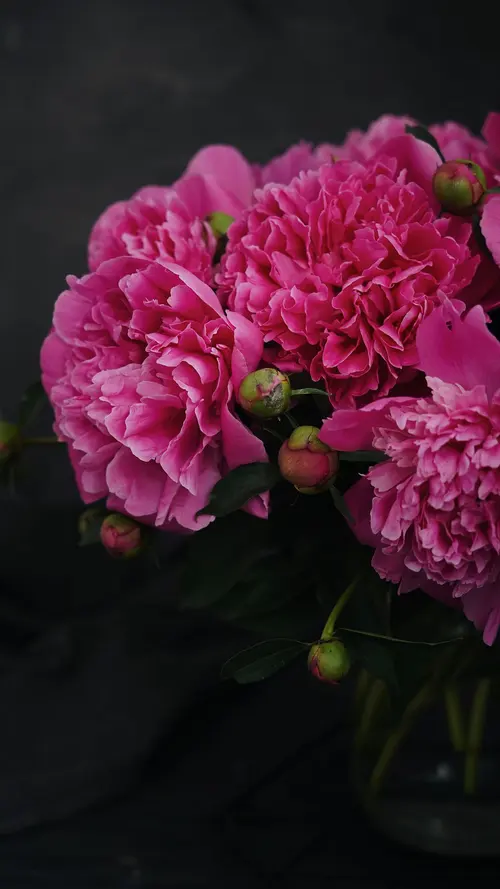
A Margaret River florist wanted an online shop as delicate and deliberate as their arrangements. Dusty rose, moss green, a high-contrast serif, and a subscription delivery flow for weekly blooms.
Plan
Scale
$150/mo — up to 25 pages
Pages included
- Home
- Shop Flowers
- Subscriptions
- Weddings
- Events
- Workshops
- Our Story
- Delivery Areas
- Journal
- Contact
- Cart
- Checkout
What we built
- A subscription flower delivery flow with weekly, fortnightly, and monthly intervals
- A wedding and events enquiry system with date checking and mood-board uploads
- A shop with seasonal arrangements, add-on vases, and delivery-day selection
Palette
Background
#F0E0E2
Foreground
#3A2A2E
Accent
#4F6B4A
Typography
Display — Cormorant Garamond
Bloom and Burrow
Body — Inter
Margaret River florist and flower farm. The quick brown fox jumps over the lazy dog. 0123456789.
Concept case study: Bloom and Burrow
Bloom and Burrow is a fictional brand I designed to show what a e-commerce business could get from Kerb. Here is the thinking behind it, and what a real business like it can take from it.
The problem a e-commerce business has
A florist works with a product that doesn't keep. Orders have to be placed, cut, arranged and delivered inside a tight window. Phone calls and DMs about same-day delivery, wedding dates and custom bouquets arrive at all hours, usually while the florist's hands are full.
Weddings and events are the most valuable work and the slowest to quote. They need dates, venue, budget and style. Many florist sites handle that with a vague contact form, then spend days in email to get the details they need. Subscriptions are another opportunity that's easy to get wrong.
Why the site is built this way
In this concept, the brief was an online shop as delicate and deliberate as the arrangements. Dusty rose, moss green and high-contrast Cormorant Garamond headlines. It looks like a floral studio, not a supermarket.
The Scale plan covers twelve pages: Home, Shop Flowers, Subscriptions, Weddings, Events, Workshops, Our Story, Delivery Areas, Journal, Contact, Cart and Checkout. The shop offers seasonal arrangements, add-on vases and delivery-day selection, so customers choose a day the florist can actually deliver.
The subscription flow supports weekly, fortnightly and monthly blooms. The wedding and events enquiry system checks dates and accepts mood-board uploads, so the first reply from the florist can be specific and useful instead of a list of questions.
Where AI would take it further
An AI assistant can handle delivery area questions, same-day cut-off times and care instructions, and take simple orders by chat or phone. For wedding enquiries it can collect date, venue, budget and style, and book a consultation.
The CRM can remind customers before birthdays and anniversaries they ordered for last year. Subscribers who pause can receive a gentle message with a restart option. Abandoned carts can be followed up, which matters when someone was one click from buying a gift. Complaints go to a person right away.
Common questions
If you want orders outside business hours, yes. Keep the range tight and seasonal. A small, well-photographed selection often sells better than a long list.
Customers choose a frequency and a style, and you deliver on a set day. The key is making skipping and pausing simple. Customers who can pause easily tend to stay longer.
Use a form that asks for date, venue, guest numbers, style and budget, and allow image uploads. Check the date against your diary before replying, so the first response is a real answer.