Concept design — not a real business
Veldt and Vine
Sydney, NSW · Hospitality · Scale plan
The brief
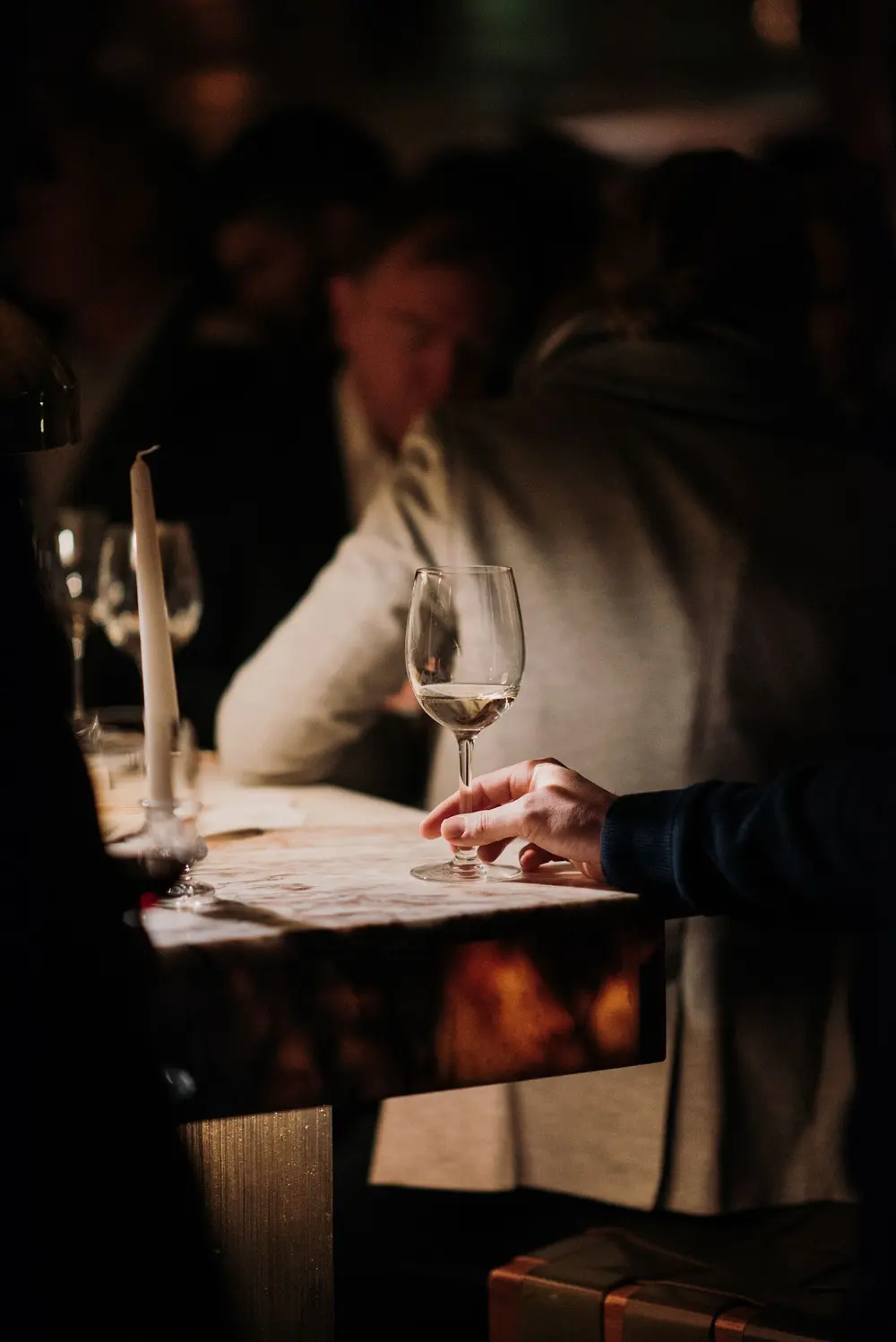
A wine bar in Surry Hills wanted an online presence as moody and deliberate as the room itself. Deep plum, blush accents, high-contrast serif headlines, and a menu that reads like a tasting note.
Plan
Scale
$150/mo — up to 25 pages
Pages included
- Home
- Menu
- Wine List
- Functions
- Reservations
- About
- Private Events
- Gift Vouchers
- Press
- Contact
- Careers
- FAQ
What we built
- A reservation system with table preferences, occasion notes, and dietary capture
- A seasonal menu page with wine pairing suggestions and allergen filtering
- A functions enquiry flow with guest count, budget, and date availability checking
Palette
Background
#2A1220
Foreground
#F5E6E2
Accent
#E8C8C2
Typography
Display — Playfair Display
Veldt and Vine
Body — Inter
Surry Hills wine bar and kitchen. The quick brown fox jumps over the lazy dog. 0123456789.
Concept case study: Veldt and Vine
Veldt and Vine is a fictional brand I designed to show what a hospitality business could get from Kerb. Here is the thinking behind it, and what a real business like it can take from it.
The problem a hospitality business has
A busy wine bar gets booking requests by phone, Instagram and email, usually during service when nobody can reply. Group enquiries and function requests need detail: numbers, budget, date, dietaries. Getting that information takes several back-and-forth messages.
The same questions repeat all week: are walk-ins welcome, can you cater for a vegan group, is there a minimum spend. Meanwhile a generic website with a PDF menu and a phone number doesn't say anything about what the room actually feels like.
Why the site is built this way
In this concept, the brief was a presence as moody and deliberate as the room. Deep plum, blush accents and high-contrast Playfair Display serif headlines. The menu reads like a tasting note, because that's how people think about wine.
It's a Scale plan with twelve pages: Home, Menu, Wine List, Functions, Reservations, About, Private Events, Gift Vouchers, Press, Contact, Careers and FAQ. Reservations capture table preferences, occasion notes and dietary needs up front, so the floor team is ready. The seasonal menu includes pairing suggestions and allergen filtering.
The functions flow asks for guest count, budget and date, and checks availability before anyone replies. That filters out enquiries that can't work, and saves your manager hours.
Where AI would take it further
An AI assistant can answer the phone and chat while the team is on the floor. It can take bookings, explain walk-in policy, answer dietary questions from the menu and pass function enquiries to the manager with the details already collected. Big groups get flagged straight away.
After the visit, the CRM can send a thank-you with a booking link, and a note to regulars about a new release or a quiet Tuesday. Reminders reduce no-shows on busy weekends. Gift voucher buyers get a follow-up before the voucher's due to expire.
Common questions
Third-party platforms are convenient but take a cut and own the customer relationship. Booking on your own site keeps the customer data with you. I can build either approach depending on how you work.
Use a form asking for date, guest count, budget and the type of event. You'll waste less time on enquiries that don't fit. An AI assistant can collect the same details by phone.
Usually yes. They bring in cash up front and new customers who might not have found you. Make sure the terms and expiry are clear and comply with your state's rules.